
That Was Fun. But Did They Learn Anything?
Updated: Mar 16

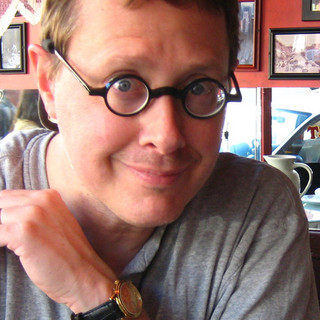
I recently joined Kassy LaBorie on her podcast, The Spark Konnect, and we got into something I think about a lot: the relationship between showmanship and science in the work of improving how people lead and organizations perform.
I come from a performance background — juggling, music, comedy, improv — and so does Kassy. We both love a good show. But in a business context, no matter how large or small the company, a great show isn't the same thing as accomplishing real business results. The show, the fun, has to earn its place.
Here's what we dug into.
Good Training Matters — But It's a Small Part of the Picture
So many organizations, when they realize their new managers need help, jump straight to training. But training is one piece of a much larger puzzle. I used the analogy of a child with behavioral problems — send them to the best therapist in the world, but if they come back to a family system still rewarding the old behaviors, nothing changes. Research tells us that things like clear feedback, good job aids, and managers who prepare the environment have far more impact than training itself. Fix the system, not just the skills.
It Starts at the Top
If your new managers come out of a workshop and see the founders doing the opposite of what they just learned, you've got a credibility problem. No amount of training overcomes a system working against it. I prefer to work with executive teams first for exactly this reason.
New Managers Need Permission to Drop
Jugglers have "drop lines" — rehearsed things you say when you drop a club so the show keeps moving. My favorite: "Whoa! A sudden burst of gravity — did you feel that?" The audience laughs, you pick up the prop, and the show goes on. First-time managers are often paralyzed by the fear of getting it wrong. Knowing you can recover from a drop — and that recovery is a skill worth building — is one of the most freeing things a new leader can hear. And for the business, a manager who recovers quickly costs a lot less than one who freezes.
Let Them Run the Show
A principle from my mentor Thiagi: let the inmates run the asylum. Instead of lecturing, give your group a sharp question, let them generate answers, and have them rank the best ideas. It's not flashy. But people learn more when they're doing the thinking — and they leave with solutions they're more likely to use on the job.
Rehearsal Isn't Just for Actors
Musicians rehearse. Athletes practice. Actors run lines. But in business, people often show up cold and hope for the best. The leaders who rehearse difficult conversations, team meetings, and presentations will outperform those who wing it. Every single time.
That's a thread that ran through much of our conversation. Artists who work in business have to make a choice: are we here to entertain, or are we here to drive results? The answer, I think, is both — but only if results come first. The showmanship gets their attention. The science changes the organization. The business results are how you know it worked.
Check it out. I think you'll enjoy it.

Kassy LaBorie's The Spark Konnect Podcast, Episode 19 -- "A Sudden Burst of Gravity with Russ Powell"


Comments